While we often share the inspiring stories of live stranded animals that come through the Alaska SeaLife Center Wildlife Response Program, responding to deceased animals is also an important part of wildlife response work.
Alaska’s waters are home to an incredible diversity of marine wildlife, including species that spend much of their lives in remote areas that are difficult to access. When a deceased animal is reported and a necropsy is possible, it can provide a rare opportunity to learn more about an animal or species that scientists may not otherwise be able to examine closely.

When our team performs a necropsy, we approach the animal with deep respect for the life it lived and the information it may still provide. The information we find can tell us about that individual animal’s health and possible cause of death. Individual cases can also help reveal a much larger picture, helping scientists identify ecosystem patterns involving disease, harmful algal bloom toxins, environmental changes, human impacts and other concerns affecting Alaska’s marine wildlife.
Being able to perform a necropsy in Alaska is not always easy. An animal may be reported hundreds of miles from the nearest veterinarian, laboratory or wildlife response organization, and weather, tides, access, the condition of the animal and available funding can all determine whether a response is even possible.
That means the work has to begin before a call ever comes in. Trained responders need access to equipment, expertise, and strong partnerships with communities, Tribal partners, veterinarians, researchers and organizations like the Alaska SeaLife Center ready to work together when an opportunity to respond arises.


That network came together in Seward on June 19, 2026, when a deceased 61-foot adult female fin whale was discovered on the bow of a cruise ship that arrived at the cruise ship terminal in Seward, Alaska. Royal Caribbean Group reported the incident and immediately cooperated with the investigation that followed. We appreciate their timely reporting and participation, which helped wildlife response teams gather the information needed to better understand what happened.
By the following day, Alaska SeaLife Center staff were working alongside NOAA Fisheries and longtime pathology partners Alaska Veterinary Pathology Services to perform a full necropsy.


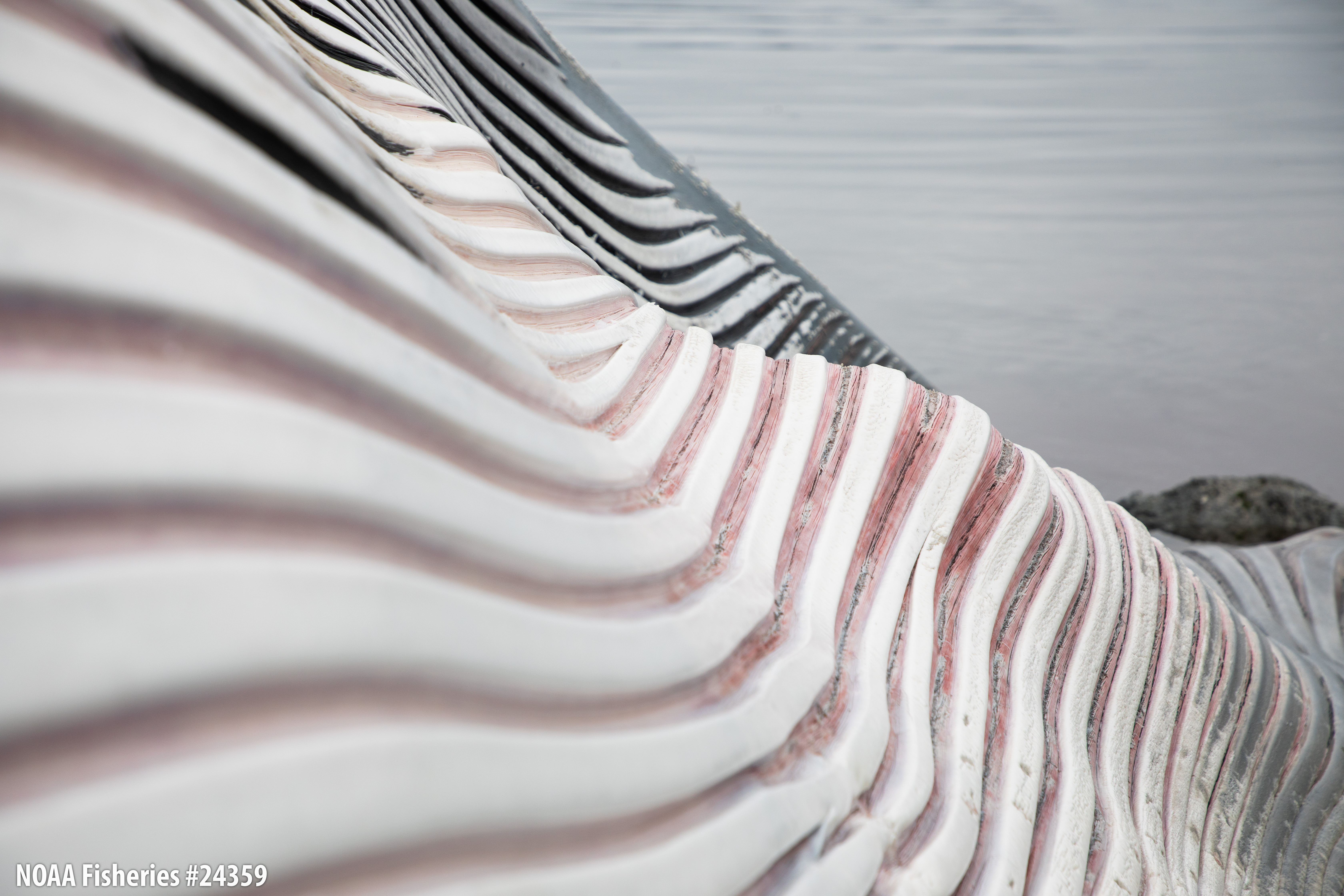
Over the two day necropsy, the whale became an important source of both scientific information and a culturally significant resource. As the ASLC team collected data and samples, members of Seward’s Qutekcak Native Tribe were welcomed to harvest from the whale for subsistence and handicraft use, as allowed under the Marine Mammal Protection Act.
The response brought scientific investigation and Indigenous knowledge together around the same animal and ensured that meat, blubber and baleen could be used rather than lost. Multiple groups coordinated their efforts to avoid overlap between harvest activities and scientific sampling, allowing both to take place successfully. These moments were meaningful examples of how science, local expertise, and Indigenous knowledge can come together.

ASLC scientists work side by side with members of the Qutekcak Native Tribe harvesting and performing a necropsy on a fin whale. 
As the ASLC team collected data and samples, members of Seward’s Qutekcak Native Tribe were welcomed to harvest from the whale for subsistence and handicraft use, as allowed under the Marine Mammal Protection Act. 
Blubber is harvested from the deceased fin whale in Seward, Alaska. 
NOAA officers, the ASLC, and members of Seward’s Qutekcak Native Tribe discuss the plan for the day for successful necropsy and harvesting.


The necropsy on the fin whale in June of 2026 ultimately provided valuable information about the whale and helped NOAA Fisheries determine that her injuries were consistent with a vessel strike.
We believe transparency is a very important part of our work, and with support from NOAA Fisheries, we want to share the necropsy report with our supporters.
Please note that the full necropsy report contains graphic images of a deceased animal and internal injuries that may be disturbing to some viewers. We encourage readers to use discretion before viewing the report. The complete necropsy report can be viewed here for the in-ureto mid term calf and here for the adult whale.
More information about the results of this fin whale necropsy and vessel strikes in Alaska can be found on recent story published to the NOAA Fisheries website: https://www.fisheries.noaa.gov/feature-story/vessel-strike-caused-fin-whale-death-seward
The information gathered through this necropsy will continue to contribute to a larger understanding of Alaska’s marine wildlife, but collecting it was only possible because the people, expertise, partnerships and resources were already in place when the call came in.
Your support helps the Alaska SeaLife Center maintain the expertise needed to respond when wildlife needs us most. Consider making a donation today to help keep this critical work possible across Alaska.

Leave a Reply